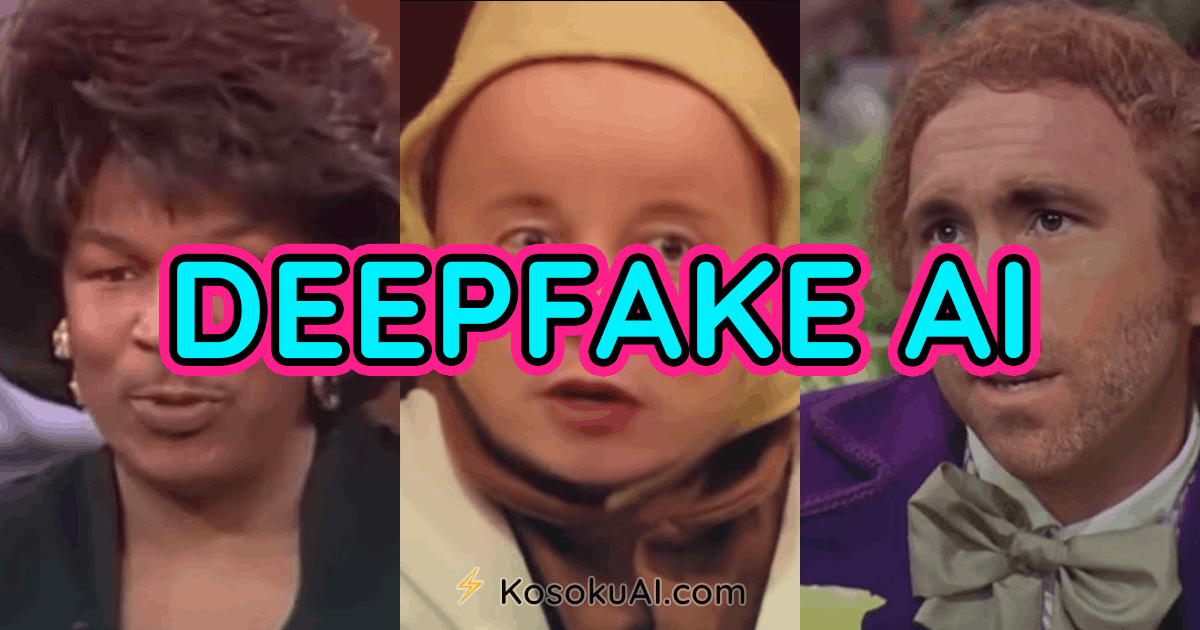
محتوای deepfake تولید شده توسط AI به یکی از مهمترین چالشهای عصر دیجیتال ما تبدیل شده است. از اطلاعات نادرست سیاسی گرفته تا کلاهبرداری هویتی و تصاویر بدون رضایت، فناوری deepfake نگرانیهای قانونی و اخلاقی جدی ایجاد میکند. این راهنما توضیح میدهد که deepfake چیست، چرا اغلب غیرقانونی هستند، و چگونه Kosoku AI تولید تصویر AI امن و اخلاقی ارائه میدهد.
ایجاد deepfake از افراد واقعی بدون رضایت صریح آنها در اکثر کشورها غیرقانونی است. این شامل ویدیوهای جعلی، تصاویر دستکاری شده، شبیهسازی صدا و هر محتوای تولید شده توسط AI که هویت افراد واقعی را جعل میکند، میشود. مجازاتها میتواند شامل اتهامات جنایی، دعاوی مدنی و زمان زندان قابل توجه باشد.
AI Deepfake چیست؟
Deepfakeها رسانههایی هستند که توسط AI تولید یا دستکاری شدهاند و به نظر میرسد که کسی چیزی گفته یا انجام داده که هرگز نگفته یا انجام نداده است. این اصطلاح ترکیبی از "deep learning" و "fake" است — اشاره به تکنیکهای یادگیری ماشینی که برای ایجاد جعلهای قانعکننده استفاده میشوند.
انواع محتوای Deepfake:
ویدیو Deepfake
فناوری تعویض چهره که چهره یک نفر را روی بدن دیگری در ویدیو قرار میدهد، اغلب برای جعل هویت، کلاهبرداری یا آزار استفاده میشود.
تصویر Deepfake
تصاویر دستکاری شده یا کاملاً تولید شده توسط AI که افراد واقعی را در سناریوهای ساختگی نشان میدهند — از عکسهای مصالحهآمیز جعلی تا اسناد کلاهبردارانه. این شامل اپلیکیشنهای undress AI است که تصاویر صمیمی جعلی ایجاد میکنند.
شبیهسازی صدا
سیستمهای AI که صدای کسی را از نمونههای صوتی تکرار میکنند، امکان تماسهای تلفنی جعلی، پیامهای کلاهبردارانه یا ضبطهای صوتی ساختگی را فراهم میکنند.
جعل متن
متن تولید شده توسط AI که سبک نوشتاری کسی را برای فیشینگ، مهندسی اجتماعی یا انتشار بیانیههای نادرست منسوب به آنها تقلید میکند.
مشکل اصلی
آنچه deepfake را خطرناک میکند خود فناوری نیست — بلکه عدم رضایت است. استفاده از AI برای ایجاد محتوایی که افراد واقعی را بدون اجازه آنها نشان میدهد، جعل هویت میکند یا به طور نادرست معرفی میکند، حقوق اساسی آنها برای کنترل تصویر و هویت خود را نقض میکند.
ایجاد هنر AI اصلی، شخصیتهای خیالی یا محتوای خلاقانه که هویت افراد واقعی را جعل نمیکند، قانونی و اخلاقی است. مشکل به طور خاص استفاده غیررضایتی از شباهت افراد واقعی است.
چرا Deepfake غیرقانونی است
Deepfakeها بسته به کاربردشان چندین حوزه قانونی را نقض میکنند:
سرقت هویت و کلاهبرداری
استفاده از شباهت کسی بدون رضایت برای اهداف کلاهبردارانه، قوانین سرقت هویت، کلاهبرداری سیمی و جعل هویت را نقض میکند.
افترا
ایجاد محتوای جعلی که به شهرت کسی آسیب میرساند، افترا است. Deepfakeهایی که کسی را در سناریوهای نادرست و آسیبرسان نشان میدهند، مسئولیت قانونی قابل توجهی دارند.
نقض حریم خصوصی
هر کسی حق کنترل تصاویر خود را دارد. Deepfakeهای غیررضایتی قوانین حریم خصوصی و حفاظت از کرامت شخصی را نقض میکنند.
حق تبلیغات
استفاده تجاری از شباهت کسی بدون اجازه، حق تبلیغات آنها را نقض میکند — به ویژه برای چهرههای عمومی و افراد مشهور مرتبط است.
قوانین خاص مرتبط با Deepfake:
ایالات متحده:
- قانون Take It Down (2025) تصاویر صمیمی غیررضایتی شامل محتوای تولید شده توسط AI را در سطح فدرال جرمانگاری میکند
- قانون DEEPFAKES Accountability افشای رسانههای مصنوعی را الزامی میکند
- قوانین ایالتی در کالیفرنیا، تگزاس، ویرجینیا، نیویورک و 40+ ایالت دیگر به طور خاص به محتوای غیررضایتی تولید شده توسط AI میپردازند
- مقررات FTC در مورد محتوای فریبنده تولید شده توسط AI
اتحادیه اروپا:
- قانون AI برخی کاربردهای deepfake را به عنوان پرخطر طبقهبندی میکند که نیاز به انطباق سختگیرانه دارند
- نقض GDPR برای پردازش دادههای بیومتریک شخصی بدون رضایت
- قوانین جنایی ملی در سراسر کشورهای عضو
بریتانیا:
- قانون ایمنی آنلاین 2023 اشتراکگذاری محتوای deepfake غیررضایتی را جرمانگاری میکند
- مقررات خاص برای تصاویر صمیمی تولید شده توسط AI
حوزههای قضایی دیگر:
- استرالیا، کانادا، کره جنوبی، ژاپن، هند و بسیاری دیگر قوانین خاص deepfake را تصویب کرده یا در حال تصویب هستند
پیامدهای قانونی بر اساس منطقه
مجازاتهای ایجاد یا توزیع deepfake شدید است و همچنان در حال افزایش است:
مجازاتهای جنایی
در ایالات متحده:
- اتهامات فدرال: 2-10+ سال زندان برای توزیع بین ایالتی deepfakeهای مخرب
- اتهامات ایالتی: 1-5 سال بسته به حوزه قضایی و نوع محتوا
- مجازاتهای تشدید شده برای هدف قرار دادن صغار، دخالت در انتخابات یا کلاهبرداری
- جریمهها: 10,000 تا 250,000+ دلار
در اتحادیه اروپا:
- نقض GDPR: تا 20 میلیون یورو یا 4% درآمد سالانه جهانی
- تعقیب جنایی طبق قوانین ملی: تا 5 سال زندان
- مسئولیت مدنی برای خسارات به قربانیان
در بریتانیا:
- تا 2 سال زندان برای اشتراکگذاری deepfakeهای غیررضایتی
- جریمههای نامحدود برای تخلفات جدی
- اتهامات اضافی ممکن طبق قوانین آزار و ارتباطات مخرب
پیامدهای مدنی
قربانیان deepfake میتوانند پیگیری کنند:
- دعاوی افترا: خسارات قابل توجه برای آسیب به شهرت
- پریشانی عاطفی: غرامت برای آسیب روانی
- حق تبلیغات: خسارات برای استفاده غیرمجاز از شباهت
- دستور موقت: دستورات دادگاه برای حذف محتوا و جلوگیری از توزیع بیشتر
پیامدهای حرفهای
فراتر از مجازاتهای قانونی:
- نابودی شغل: بررسیهای پیشینه این جرایم را آشکار میکنند
- ممنوعیت پلتفرم: حذف دائمی از رسانههای اجتماعی، فروشگاههای اپلیکیشن و ارائهدهندگان خدمات
- افشای عمومی: پوشش رسانهای فزاینده پروندهها
- آسیب مداوم به شهرت: سوابق دیجیتال برای همیشه باقی میمانند
تهدیدهای رایج Deepfake
درک اینکه چگونه از deepfake سوءاستفاده میشود به محافظت از خودتان و دیگران کمک میکند:
کلاهبرداری مالی
تماسهای تلفنی با صدای شبیهسازی شده که جعل هویت مدیران اجرایی میکنند برای مجوز دادن انتقالهای بانکی کلاهبردارانه. ویدیو deepfake برای جلسات مجازی جعلی با سرمایهگذاران یا مشتریان.
اطلاعات نادرست سیاسی
ویدیوهای ساختگی از سیاستمداران که بیانیههای نادرست میدهند. محتوای دستکاری شده طراحی شده برای تأثیرگذاری بر انتخابات یا افکار عمومی.
آزار شخصی
تصاویر صمیمی غیررضایتی. محتوای جعلی استفاده شده برای اخاذی، انتقام یا کمپینهای آزار هدفمند.
کلاهبرداریهای جعل هویت
تماسهای ویدیویی جعلی که وانمود میکنند اعضای خانواده در پریشانی هستند. صداهای شبیهسازی شده که درخواست پول یا اطلاعات حساس میکنند.
در سال 2024، کلاهبرداری فعال شده توسط deepfake بیش از 25 میلیارد دلار به کسبوکارها در سراسر جهان خسارت زد. افراد پسانداز تمام عمرشان را به کلاهبرداریهای شبیهسازی صدا از دست دادهاند. Deepfakeهای سیاسی بر انتخابات تأثیر گذاشتهاند. سوءاستفاده از فناوری پیامدهای تراژیک واقعی دارد.
چگونه Deepfake را شناسایی کنیم
در حالی که deepfakeها پیچیدهتر میشوند، شناسایی هنوز ممکن است:
شاخصهای بصری
حرکت چشم غیرطبیعی
Deepfakeها اغلب با الگوهای پلک زدن واقعگرایانه، انعکاسهای چشم و ثبات جهت نگاه مشکل دارند.
مشکلات مرز صورت
به دنبال تاری، عدم تطابق رنگ یا انتقالهای غیرطبیعی در لبههای صورت، خط مو و گردن باشید.
تناقضات نورپردازی
سایهها و هایلایتها روی صورت ممکن است با نورپردازی بقیه صحنه مطابقت نداشته باشند.
مشکلات جزئیات ظریف
دندانها، گوشها، رشتههای مو و جواهرات اغلب در deepfakeها تحریف شده یا به طور غیرطبیعی صاف به نظر میرسند.
شاخصهای صوتی
- مکثهای غیرطبیعی یا ریتم در گفتار
- الگوهای تنفس که با حرکت لبهای قابل مشاهده مطابقت ندارند
- تناقضات نویز پسزمینه بین صدا و ویدیو
- عدم تطابق احساسی بین لحن صدا و حالات چهره
مراحل تأیید
- تأیید منبع: بررسی کنید آیا محتوا در کانالهای رسمی ظاهر میشود
- جستجوی معکوس تصویر: نسخههای اصلی و دستکاری نشده را پیدا کنید
- تحلیل متادیتا: متادیتای فایل را برای امضاهای نرمافزار ویرایش بررسی کنید
- تأیید کارشناسان: از خدمات حرفهای شناسایی deepfake برای محتوای مهم استفاده کنید
- ارجاع متقابل: با فیلمهای تأیید شده دیگر از همان شخص مقایسه کنید
اگر محتوا غیرعادی، تحریکآمیز یا بیش از حد کامل به نظر میرسد، قبل از اشتراکگذاری وقت بگذارید تا تأیید کنید. Deepfakeها برای انتشار به اشتراکگذاری سریع و احساسی تکیه میکنند.
چگونه Kosoku AI از سوءاستفاده Deepfake جلوگیری میکند
Kosoku AI از پایه برای جلوگیری از ایجاد deepfake طراحی شده است:
1. بدون آپلود چهره برای تولید
پلتفرم ما آپلود چهره را برای تولید تصویر AI نمیپذیرد. شما نمیتوانید عکس کسی را آپلود کنید تا چهره او را بازسازی، تغییر یا محتوای نمایشدهنده چهره او ایجاد کنید.
فقط متن به تصویر
همه چهرهها در تصاویر تولید شده از توضیحات متنی میآیند که شخصیتهای کاملاً خیالی ایجاد میکنند — نه از عکسهای مرجع آپلود شده.
بدون ویژگیهای تعویض چهره
ما تعویض چهره، ادغام چهره یا هیچ ابزاری که بتواند برای قرار دادن چهره یک نفر روی دیگری استفاده شود ارائه نمیدهیم.
2. ویژگی توصیف تصویر (جایگزین امن)
وقتی کاربران میخواهند سبک یک تصویر موجود را بگیرند، ویژگی Describe Image ما استخراج میکند:
- پالت رنگ و حال و هوا
- ترکیببندی و قاببندی
- سبک هنری و زیباییشناسی
- ویژگیهای نورپردازی
آنچه استخراج نمیکند:
- چهرهها یا ویژگیهای شناساییکننده
- شباهت افراد خاص
- هر نوع داده بیومتریک
این یعنی میتوانید از زیباییشناسی یک تصویر الهام بگیرید بدون ایجاد محتوایی که افراد موجود در آن را نشان دهد.
3. نظارت خودکار محتوا
سیستمهای ما شامل:
- فیلتر کردن پرامپت برای نام افراد مشهور و ارجاعات به افراد واقعی
- اسکن بلادرنگ برای شناسایی تلاشها برای بازسازی افراد واقعی
- شناسایی الگو برای عبارات رایج تلاش deepfake
- بررسی انسانی محتوای علامتگذاری شده ظرف 24 ساعت
4. شرایط خدمات روشن
شرایط خدمات ما صریحاً ممنوع میکند:
- ایجاد محتوایی که افراد واقعی را بدون رضایت مستند نشان میدهد
- تلاش برای بازسازی افراد مشهور یا چهرههای عمومی
- استفاده از پلتفرم برای جعل هویت، کلاهبرداری یا آزار
- هر محتوایی که میتواند سرقت هویت یا افترا باشد
تخلفات منجر به پایان فوری حساب میشوند.
5. همکاری با مقامات
Kosoku AI سیاست تحمل صفر دارد و کاملاً همکاری میکند با:
- تحقیقات اجرای قانون
- دستورات دادگاه و احضاریههای قانونی
- گزارشهای سوءاستفاده از پلتفرم
- درخواستهای قربانیان برای اطلاعات
تولید تصویر AI اخلاقی
تولید تصویر AI میتواند خلاقانه، سازنده و کاملاً اخلاقی باشد وقتی به درستی انجام شود:
آنچه میتوانید به طور قانونی ایجاد کنید
شخصیتهای خیالی اصلی
هر شخصیتی از تخیل خود را توصیف کنید — AI افراد خیالی کاملاً جدید که وجود ندارند ایجاد میکند.
خلاقیتهای هنری
آثار هنری، تصویرسازیها و قطعات خلاقانه را در هر سبکی بدون ارجاع به افراد واقعی ایجاد کنید.
کار محصول و طراحی
ماکتها، هنر مفهومی و داراییهای طراحی را با استفاده از تصاویر تولید شده توسط AI ایجاد کنید.
اصل رضایت
خط اخلاقی ساده است: رضایت.
- ✅ شخصیتهای AI اصلی — برای افراد خیالی نیازی به رضایت نیست
- ✅ شباهت خودتان — میتوانید به استفاده AI از تصویر خود رضایت دهید
- ✅ محتوای دارای مجوز/اجازه — با رضایت مستند مناسب از شخص نشان داده شده
- ❌ هر کس دیگری بدون رضایت صریح — هرگز قابل قبول نیست
نمونه پرامپتهای اخلاقی
یک زن تاجر مطمئن با موهای نقرهای در یک دفتر مدرن، نورپردازی حرفهای
✅ یک شخصیت خیالی ایجاد میکند
یک هنرمند مسن با دستهای فرسوده در حال نقاشی در یک استودیوی آفتابی
✅ یک شخصیت خیالی ایجاد میکند
پرتره یک موسیقیدان جوان با موهای رنگارنگ در مقابل دیوار گرافیتی
✅ یک شخصیت خیالی ایجاد میکند
آزادی خلاقانه نامحدود
میتوانید هر شخصیت خیالی با هر ظاهر، در هر محیط، در حال انجام هر کار قانونی ایجاد کنید. تنها محدودیت جعل هویت افراد واقعی بدون رضایت است.
اگر قربانی هستید چه کنید
اگر محتوای deepfake خود را کشف کردید، فوراً اقدام کنید:
مرحله 1: همه چیز را مستند کنید
- از همه نمونهها قبل از حذف اسکرینشات بگیرید
- URLها را با مهر زمان ذخیره کنید
- نامهای کاربری آپلودکنندگان و توزیعکنندگان را ثبت کنید
- صفحات را آرشیو کنید با استفاده از خدماتی مانند archive.org
مرحله 2: به پلتفرمها گزارش دهید
اکثر پلتفرمهای بزرگ فرآیندهای حذف تسریع شده برای رسانههای مصنوعی غیررضایتی دارند:
- از ابزارهای گزارشدهی پلتفرم استفاده کنید
- "تصاویر صمیمی غیررضایتی" یا "deepfake/رسانه مصنوعی" را مشخص کنید
- اکثر پلتفرمها ظرف 24-48 ساعت پاسخ میدهند
مرحله 3: از ابزارهای گزارشدهی رسمی استفاده کنید
ایالات متحده:
- takeitdown.ncmec.org — هشهای محتوا برای جلوگیری از آپلود مجدد ایجاد میکند
- مرکز شکایات جرایم اینترنتی FBI — برای موارد بین ایالتی یا مهم
حذف از موتور جستجو:
- حذف محتوای Google — حذف از نتایج جستجو
- درخواستهای حذف DMCA را به ارائهدهندگان میزبانی ارسال کنید
مرحله 4: اقدام قانونی
- گزارش پلیس ثبت کنید — بسیاری از حوزههای قضایی اکنون واحدهای خاص deepfake دارند
- با وکیل مشورت کنید — شکایات جنایی و جبرانهای مدنی را بررسی کنید
- دستورهای حفاظتی را در نظر بگیرید — اگر مجرم را میشناسید
مرحله 5: منابع پشتیبانی
- Cyber Civil Rights Initiative — خط کمک بحران و ارجاعات قانونی
- StopNCII.org — سیستم حذف محتوا مبتنی بر هش
- Electronic Frontier Foundation — منابع حقوق دیجیتال
هدف قرار گرفتن توسط deepfake تقصیر شما نیست. این جرایم به طور فزایندهای تحت پیگرد قرار میگیرند و منابع پشتیبانی به طور خاص برای این وضعیت وجود دارد.
سوالات متداول
فناوری تولید تصویر AI امکانات خلاقانه باورنکردنی ارائه میدهد وقتی به طور اخلاقی استفاده شود. کلید ساده است: محتوای اصلی ایجاد کنید، به حقوق دیگران احترام بگذارید، و هرگز از AI برای جعل هویت یا آسیب رساندن به افراد واقعی استفاده نکنید.
مسئولانه ایجاد کنید
Kosoku AI ابزارهای خلاقانه قدرتمند در محدودههای اخلاقی روشن به شما میدهد. محتوای خیالی نامحدود ایجاد کنید، خلاقیت خود را کاوش کنید، و بدانید که پلتفرم ما برای جلوگیری از آسیب طراحی شده است.